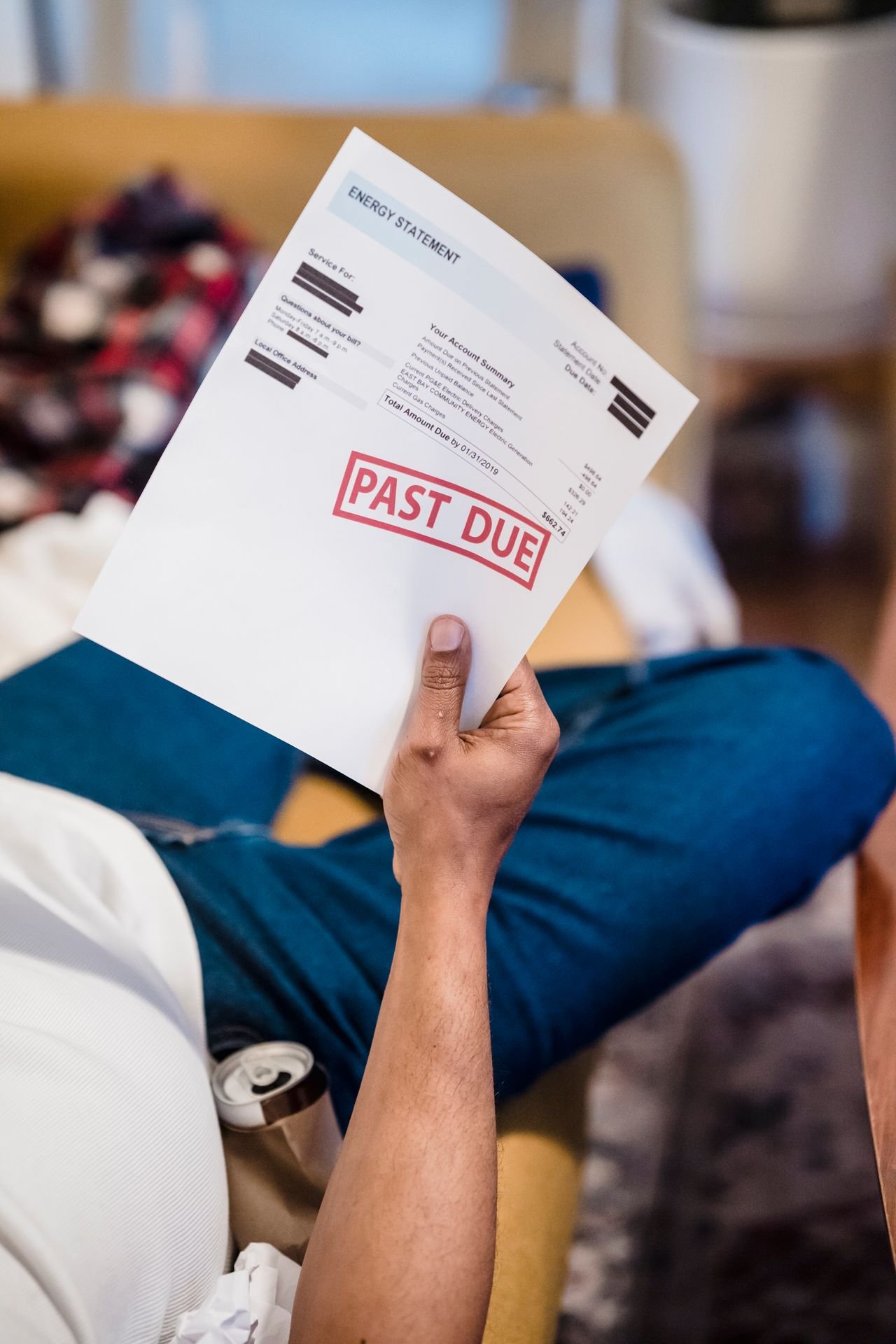
Behind on Your Taxes? Penalties, Interest, Taxpayer Relief and the Voluntary Disclosures Program Explained
Life happens. A business struggles, a family member gets sick, a bookkeeper quits, or a year of tax filings simply slips away. Then another year. Before long, the thought of dealing with unfiled returns becomes so overwhelming that it is easier to keep avoiding it.
If that sounds familiar, here is the most important message in this guide: the situation almost always gets worse with time, and almost always gets better once you act. Penalties and interest keep growing while you wait. The CRA’s enforcement options escalate. But taxpayers who come forward and get compliant often find the outcome is far more manageable than they feared.
This guide explains how CRA penalties and interest work, the steps to get back into compliance, and the relief programs that may reduce what you owe.
Late-Filing Penalties for Income Tax
Individuals (T1)
If you file your personal return late and you owe tax, the CRA generally charges a late-filing penalty of:
- 5% of the balance owing, plus
- 1% of the balance owing for each full month the return is late, up to a maximum of 12 months.
Repeat late filers
If you were charged a late-filing penalty in any of the three previous years and the CRA issued a demand to file, the penalty can increase to 10% of the balance owing plus 2% per full month, up to 20 months.
Corporations (T2)
Corporations face similar late-filing penalties: 5% of unpaid tax plus 1% per full month (up to 12 months), with higher penalties for repeat failures after a demand.
If you don’t owe tax
If no tax is owing, there is generally no late-filing penalty for income tax returns — but there can still be consequences. Refunds and benefits are delayed, losses may not be recorded, and certain information returns (such as foreign reporting forms) carry their own penalties regardless of tax owing.
Interest
Interest is charged on:
- Unpaid balances from the payment due date.
- Penalties, from the date they are imposed.
- Late or insufficient instalments.
CRA interest is calculated at a prescribed rate, set quarterly, and compounded daily. Unlike many penalties, interest continues to accumulate until the balance is paid in full. Interest charged by the CRA is not deductible.
Key takeaway: Penalties are capped; interest is not. The longer a balance sits unpaid, the faster it grows.
GST/HST Penalties and Interest
For GST/HST:
- Failure to file a return on time results in a penalty of 1% of the amount owing plus 25% of that 1% multiplied by the number of months the return is late, up to 12 months.
- Interest applies on unpaid amounts.
- Failure to file when demanded can result in additional penalties.
- Not registering when required can lead to assessments for HST that should have been collected, plus penalties and interest.
Remember that HST collected is held in trust for the government. Unremitted HST is treated seriously, and directors can be held personally liable.
Payroll Penalties
Failing to remit source deductions on time can result in penalties of 3% to 10% of the late amount, plus interest. Failing to deduct at all can make the employer liable for the amounts that should have been withheld. Late-filed T4 information returns carry separate penalties based on the number of slips.
Information Return Penalties
Certain information returns carry penalties even if no tax is owing. For example:
- Form T1135 (foreign property over $100,000): penalties can apply per day late, up to a maximum, with much larger penalties for knowingly failing to file.
- T4, T4A, T5 and T5018 slips: penalties based on the number of slips late.
What Happens if You Don’t File at All?
If you do not file, the CRA has several options:
- Requests and demands to file. Formal demands carry legal obligations.
- Arbitrary assessments. The CRA can estimate your income — often based on prior years or third-party information — and assess tax accordingly. These estimates rarely favour the taxpayer.
- Collections. Once a balance is assessed, collections actions can include garnishing wages or bank accounts, registering liens and offsetting refunds or benefits.
- Prosecution. In serious cases of persistent non-filing or evasion, the CRA can pursue prosecution.
There is no time limit on the CRA’s ability to require you to file returns for years in which you had an obligation.
Getting Back Into Compliance: A Step-by-Step Plan
Step 1: Take stock
- Log into My Account (individuals) and My Business Account (businesses) to see which returns are outstanding, what balances are owed and what correspondence exists.
- Gather every CRA letter.
- Identify which years and which types of returns are missing: T1, T2, GST/HST, payroll, information returns.
Step 2: Gather records
Collect bank statements, sales records, receipts, T-slips and prior returns. If your books are behind, catch-up bookkeeping may be needed.
Step 3: Decide on the approach
Before filing, consider whether the Voluntary Disclosures Program might apply — especially if there is unreported income, unremitted HST or payroll, or unreported foreign assets. Once the CRA contacts you about the issue, VDP relief may no longer be available, so timing matters.
Step 4: Prioritize
If the CRA has already issued demands or started collections, address those first. Otherwise, file the most recent years and those with the largest exposure first.
Step 5: File the returns
Prepare and file all outstanding returns accurately.
Step 6: Address the balance
If you cannot pay in full:
- Contact the CRA to set up a payment arrangement.
- Pay what you can to reduce interest.
- Request taxpayer relief if eligible.
Step 7: Stay compliant
Set up systems so it does not happen again: monthly bookkeeping, a tax calendar, instalment payments and a separate tax savings account.
The Voluntary Disclosures Program (VDP)
The VDP gives taxpayers a chance to correct past errors or omissions — such as unreported income, unfiled returns, unremitted HST or source deductions, or unreported foreign assets — and potentially receive relief from penalties and part of the interest that would otherwise apply.
General conditions
To qualify, a disclosure generally must:
- Be voluntary — the CRA must not have already started enforcement action related to the information disclosed.
- Be complete — all relevant years and issues must be disclosed.
- Involve a penalty (or potential penalty).
- Be supported by the required forms and documentation for every year and issue disclosed.
Other conditions — such as expectations around paying the estimated tax owing with the application — have changed as the program has been updated, so confirm the current requirements before applying.
Changes to the program
The CRA has revised the VDP several times over the years, including updates that changed the categories of relief and the conditions for “unprompted” versus “prompted” disclosures. Because the rules evolve, it is important to review the current version of the program with an advisor before applying.
Is VDP right for you?
The VDP can be valuable when there is significant unreported income or unremitted tax. It may not be necessary when returns were simply filed late but everything was reported correctly. A professional can help you decide.
Taxpayer Relief
Separately from the VDP, the CRA has discretion under its taxpayer relief provisions to cancel or waive penalties and interest in certain circumstances, such as:
- Extraordinary circumstances beyond your control — serious illness, accidents, natural disasters, death in the family.
- CRA actions — processing delays, incorrect information provided by the CRA.
- Inability to pay or financial hardship.
Requests are made using Form RC4288 or online, and generally must be made within ten calendar years from the end of the year in which the tax year or fiscal period ended. Relief is discretionary, and requests should be well-documented.
Frequently Asked Questions
Not automatically. In many cases, coming into compliance lowers your risk profile.
Yes. Multiple years can be filed together.
File anyway to stop late-filing penalties from growing, then contact the CRA about a payment arrangement and consider taxpayer relief.
Generally, no late-filing penalty applies for income tax if no balance is owing — but you delay your refund and benefits.
Get Back on Track With Solstice Partners
At Solstice Partners, we help individuals and businesses resolve unfiled returns without judgement. We assess your situation, rebuild your records, evaluate whether the Voluntary Disclosures Program or taxpayer relief makes sense, file outstanding returns, negotiate with the CRA on your behalf, and set you up so it never happens again.
Ready to get compliant and move on? Book a confidential consultation with Solstice Partners at solsticepartners.ca/.
Disclaimer: This article is for general information only and does not constitute tax, legal or accounting advice. Tax rules, rates and thresholds change, and their application depends on your specific circumstances. Please consult a qualified professional before acting on any of the information above.