
The Mid-Year Tax Checkup: Why Waiting Until Tax Season Costs Canadians Money
How individuals and business owners can avoid surprises, reduce tax stress, and plan smarter before year-end
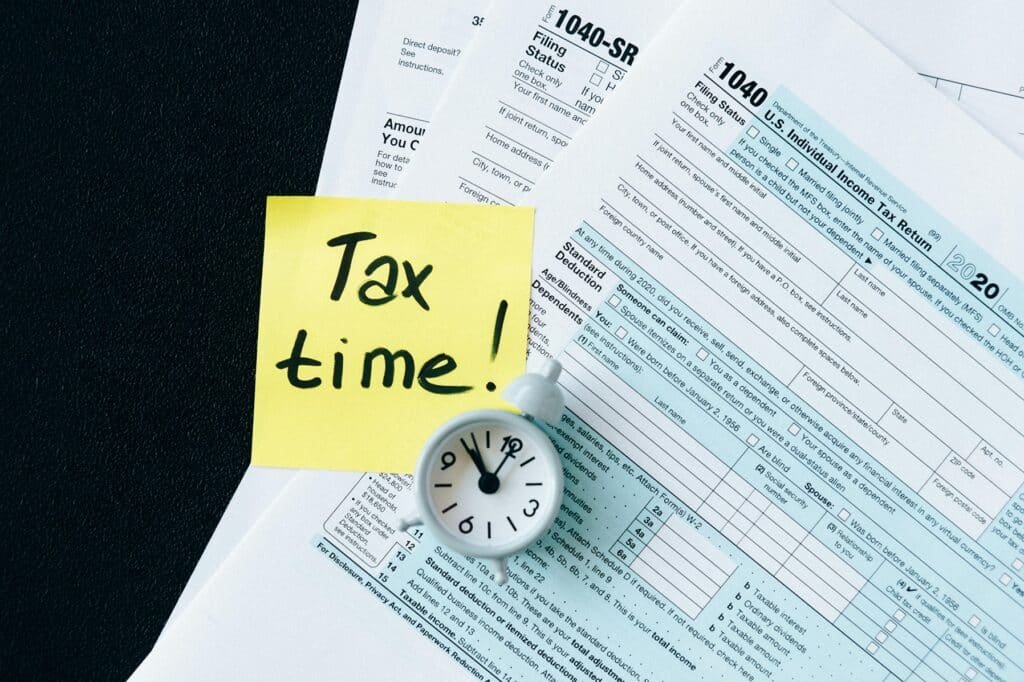
Most people think about taxes once a year.
Usually when tax slips arrive.
Or when the deadline approaches.
Or when they suddenly owe more than expected.
But by the time tax season arrives, much of the year is already over. At that point, your accountant is mostly reporting history.
The better approach is different:
Do a tax checkup before year-end.
A mid-year or late-summer tax checkup gives you time to make decisions while they still matter. It helps you estimate your taxes, fix recordkeeping gaps, adjust savings, plan compensation, and avoid surprises.
At Solstice Partners, we believe tax planning should not be a once-a-year panic. It should be a calm, practical process that helps you make better choices throughout the year.
Why tax season is the wrong time to start planning
Tax filing and tax planning are not the same thing.
Tax filing is when you report what already happened.
Tax planning is when you make decisions before the outcome is locked in.
For example, during tax filing, you may discover that:
- You owe tax because of side income
- Your RRSP contribution was too low
- You sold investments without planning gains
- Your business expenses were poorly tracked
- Your shareholder loan balance is a problem
- Your HST/GST remittances are behind
- You missed instalments
- You did not set aside money for tax
At filing time, options are limited.
But earlier in the year, you can still adjust.
That is why a tax checkup matters.
Who needs a tax checkup?
Almost everyone can benefit, but it is especially useful if you:
- Had a job change
- Work multiple jobs
- Earn side hustle income
- Are self-employed
- Own rental property
- Sold investments
- Received dividends or interest
- Are incorporated
- Took money from your corporation
- Have foreign income
- Are expecting a bonus
- Had a major life change
- Want to contribute to RRSP, TFSA, or FHSA
- Owed tax last year
- Expect income to increase this year
If your financial life has changed, your tax plan should change too.
For individuals: what a tax checkup reviews
A personal tax checkup can help answer:
- Am I likely to owe or get a refund?
- Should I contribute more to RRSP?
- Am I using my TFSA properly?
- Am I eligible for FHSA?
- Should I adjust withholding?
- Do I need to track medical or childcare expenses better?
- Are donations being planned efficiently?
- Did I sell investments and trigger capital gains?
- Should I realize capital losses before year-end?
- Do I need to set aside tax on side income?
- Are there credits I may be missing?
This is not about complicated tax tricks. It is about avoiding preventable surprises.

The side hustle tax problem
Side hustles are common now.
People earn money through:
- Freelancing
- Consulting
- Online sales
- Delivery apps
- Content creation
- Tutoring
- Home services
- Rental platforms
- Digital products
- Contract work
The problem is that tax is often not withheld from this income.
If you earn $10,000 from a side hustle, it does not mean you keep all $10,000. You may owe income tax, and depending on the activity and revenue level, there may be sales tax considerations too.
A mid-year tax checkup helps you:
- Estimate tax owing
- Track expenses
- Set aside money
- Understand HST/GST obligations
- Avoid mixing personal and business transactions
- Decide whether incorporation makes sense later
The goal is not to discourage side income. The goal is to keep it profitable after tax.
Investment gains: do not wait until slips arrive
Many Canadians invest through non-registered accounts. If you sell investments at a profit, you may have capital gains.
The issue is that people often wait until tax season to realize what happened.
A tax checkup helps identify:
- Realized gains
- Unrealized losses
- Tax-loss harvesting opportunities
- Superficial loss concerns
- Interest and dividend income
- Foreign withholding tax
- Foreign reporting considerations
- Adjusted cost base accuracy
Investment tax planning does not need to be intimidating. But it does need attention before year-end.
RRSP, TFSA, and FHSA planning
Registered accounts are powerful, but the best choice depends on your situation.
RRSP
Useful when you want to reduce taxable income today, especially if your current tax rate is higher than your expected retirement tax rate.
TFSA
Useful for flexible tax-free growth and withdrawals. Great for emergency funds, medium-term savings, and long-term investing.
FHSA
Useful if you are eligible and saving for a first home. It combines attractive features of RRSP and TFSA for qualifying home purchases.
A tax checkup helps decide:
- Which account should come first
- How much to contribute
- Whether an RRSP contribution is worth it this year
- Whether you should preserve RRSP room for a higher-income year
- How contributions affect tax owing or refund
- Whether your savings match your goals
For business owners: the checkup is even more important
If you own a corporation, tax planning is more complex.
A corporate tax checkup may review:
- Year-to-date profit
- Expected corporate tax
- HST/GST status
- Payroll remittances
- Owner compensation
- Salary vs dividends
- Shareholder loans
- Capital purchases
- CCA planning
- Accounts receivable
- Cash flow
- Installments
- Bookkeeping accuracy
Waiting until year-end can make these issues harder to fix.
Salary vs dividends: why timing matters
Owner-managers often ask:
“Should I take salary or dividends?”
The answer depends on:
- Personal cash needs
- Corporate profit
- RRSP goals
- CPP preference
- Mortgage plans
- Family situation
- Cash flow
- Prior-year tax position
Salary creates RRSP room and CPP contributions. Dividends are flexible and do not require CPP, but they do not create RRSP room.
Many owners benefit from a blend.
A mid-year checkup lets you adjust compensation before the year is over instead of trying to fix everything after the fact.
Shareholder loans: the quiet tax risk
If an owner takes money out of the corporation without recording it as salary, dividend, or repayment, it may sit in a shareholder loan account.
If not handled properly, shareholder loans can create tax problems.
A tax checkup identifies the balance early so there is time to correct it.
This is one of the most valuable reasons incorporated owners should not wait until tax season.
HST/GST and payroll: small delays become big stress
Business tax planning is not only about income tax.
It also includes:
- HST/GST filings
- Payroll remittances
- Source deductions
- T4 and T5 slips
- Corporate instalments
- WSIB/EHT obligations where applicable
If these are not reviewed regularly, small errors can become expensive.
A tax checkup helps make sure everything is consistent and current.
What happens during a Solstice Partners tax checkup?
Our process is practical and clear.
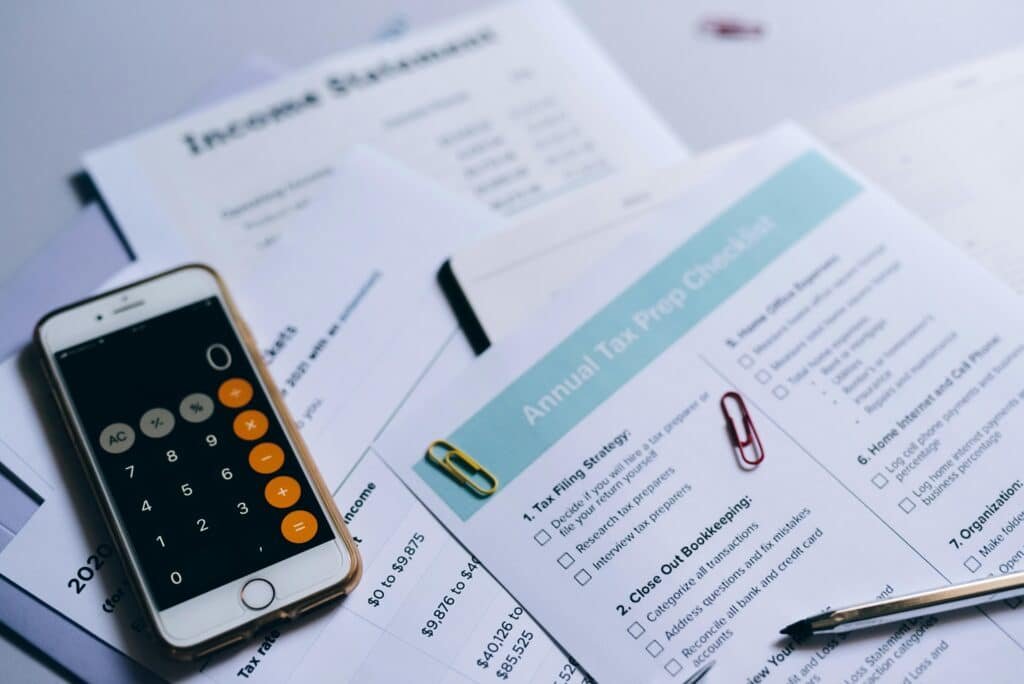
Step 1: Gather key information
Income, expenses, investment activity, business records, payroll, HST/GST, and major changes.
Step 2: Estimate the current-year position
We estimate whether you are likely to owe, receive a refund, or need to adjust.
Step 3: Identify planning opportunities
RRSP, TFSA, FHSA, deductions, investment planning, salary/dividend strategy, HST/GST, and business expenses.
Step 4: Create a short action list
We give you clear steps, not a 40-page confusing report.
Step 5: Follow up before year-end
We check whether the recommended actions were completed and update the plan if needed.
The best tax plan is not aggressive. It is organized.
Some people think tax planning means finding loopholes.
That is not how we see it.
Good tax planning means:
- Claiming what you are entitled to
- Keeping proper support
- Timing decisions wisely
- Avoiding penalties
- Reducing surprises
- Managing cash flow
- Staying compliant
- Understanding your numbers
Tax planning should make you feel more in control, not more confused.
Final thought
Waiting until tax season to think about taxes is like checking the score after the game is over.
A mid-year tax checkup gives you time to change the result.
Whether you are an individual, a side hustler, an investor, a landlord, or an incorporated business owner, planning earlier can reduce stress and improve outcomes.
At Solstice Partners, we help you understand where you stand, what options you have, and what steps to take before deadlines arrive.
Because the best tax surprise is no surprise at all.