The “I’m Doing Fine” Trap: Why Most Canadians Feel Okay… Until They Don’t
A practical guide to money stability in 2026—without guilt, fear, or finance-speak
Most people aren’t reckless with money. They pay rent, cover groceries, and keep life moving. They’re not “bad with money.” They’re just busy. And that’s exactly why the “I’m doing fine” trap is so common.
It’s that phase where things seem stable:
- bills are paid (mostly),
- you’re working,
- your credit card is “not that high,”
- and you’re telling yourself you’ll get serious “after this month.”
But the trap is this: fine is fragile.
One car repair. One job change. One rent increase. One unexpected travel need. One interest rate surprise. Suddenly, you’re not fine—you’re stressed.
This blog is about building a money life that doesn’t collapse when real life happens.
The real reason “fine” feels fine
Because your brain is measuring today, not your future.
Today, you’re okay.
But the financial question that matters is:
“If something hits me next month, will I still be okay?”
That’s the difference between:
- comfort (today feels manageable), and
- stability (tomorrow can handle impact).
The Three Levels of Financial Stability (plain English)
Level 1: “I can pay my bills”
You can cover essentials. That’s good. But you’re one unexpected expense away from using credit.
Level 2: “I can handle surprises”
You have an emergency fund and a plan for irregular costs (car, travel, yearly insurance, gifts).
Level 3: “I can make moves”
You can invest consistently, take opportunities, and not panic during market swings.
Most people are stuck between Level 1 and Level 2—not because they don’t earn enough, but because their money system isn’t built for reality.

The 5 “silent leaks” that quietly sabotage Canadians
These aren’t dramatic financial mistakes. They’re the slow leaks that add up.
1) The “subscription pile”
It’s not Netflix. It’s Netflix + Prime + Spotify + storage + apps + add-ons.
You don’t notice because it’s spread across the month.
Fix: Once per quarter, cancel 2 things. Just 2.
2) The “small interest” drain
Carrying a balance at 20%+ interest is like running on a treadmill with a backpack.
Fix: Even if you can’t pay it all—make a plan with:
- a “minimum + extra” auto-payment
- a fixed payoff date
- and a no-new-debt rule for 60–90 days
3) The “oops expenses”
Birthdays, car maintenance, holiday gifts, insurance renewals.
Not emergencies—just unplanned.
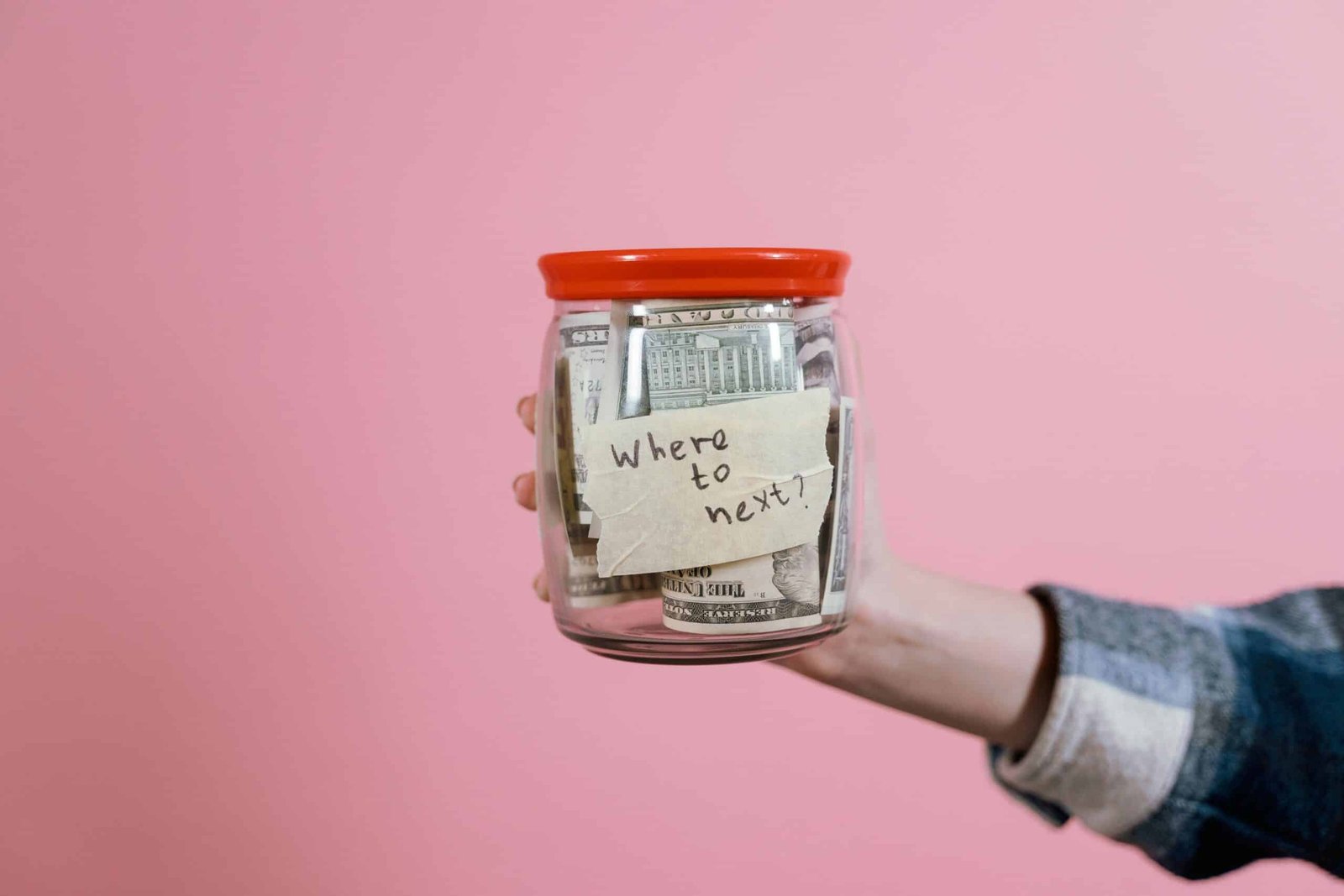
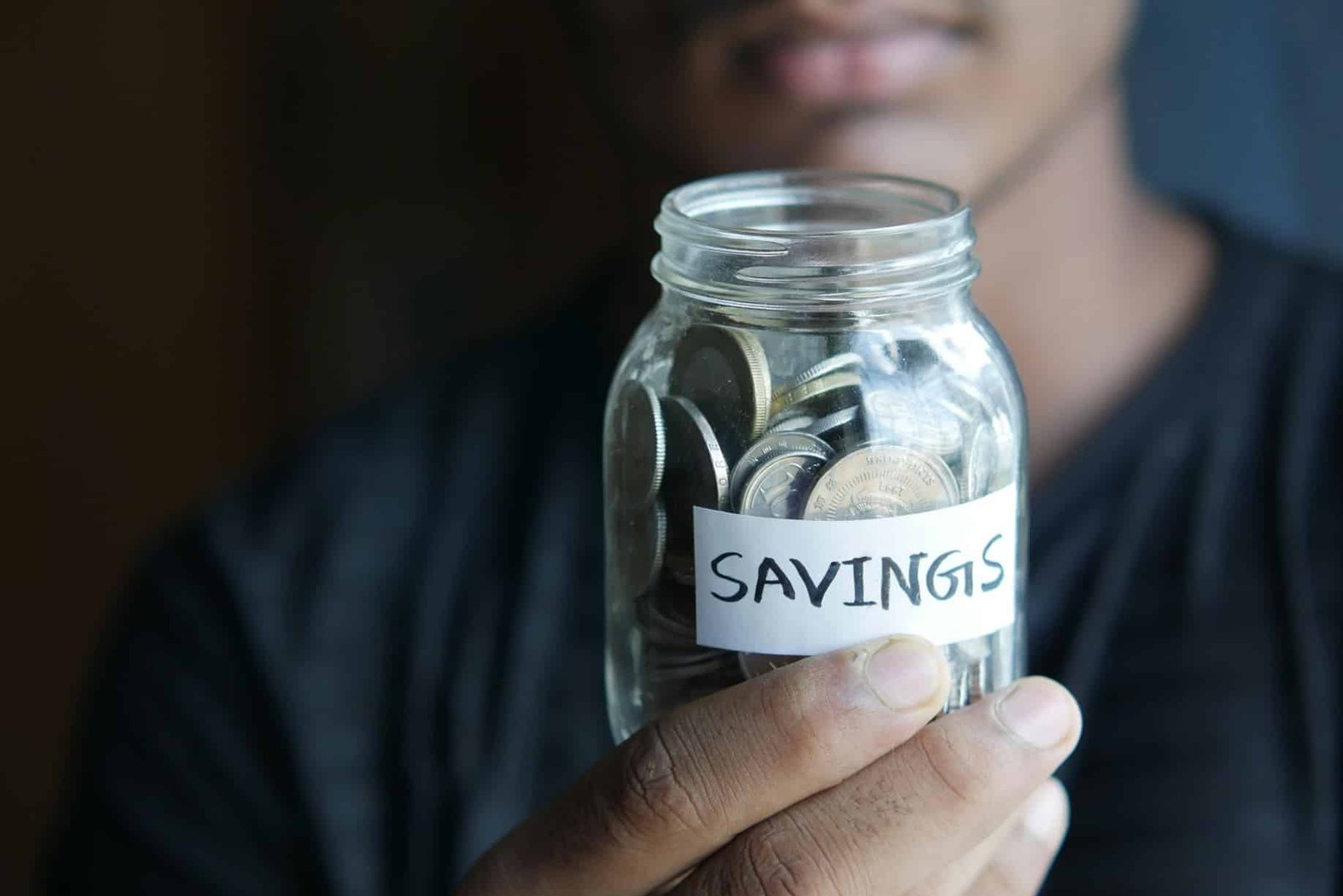
Fix: Create “sinking funds” (tiny monthly saving buckets):
- Car
- Gifts
- Travel
- Home repairs
4) The “bank account chaos” problem
Everything in one account means you can’t tell what’s spendable vs. reserved.
Fix: Two-account system:
- Account 1: Bills + daily spending
- Account 2: Emergency + sinking funds (separate bank if needed)
5) The “tax surprise”
Side hustle, investment gains, self-employed income—then April shows up like a jump scare.
Fix: Set aside a tax buffer monthly. Even 10% is a start.
A Real-Life Relatable Example
Let’s say you earn $5,000/month after tax.
You feel fine—until:
- $600 car repair
- $300 dental
- $200 school expenses
That’s $1,100 in one month. If your buffer is only $200, you swipe the credit card.
And then interest starts feeding on your future.
The solution isn’t “make more money” (even though that helps). The solution is build a buffer system.

The 30-Day Stability Reset (simple plan)
Week 1: Get clear
- List your monthly essentials
- List your monthly debt payments
- Choose a realistic emergency fund starter goal: $1,000
Week 2: Build structure
- Create a separate savings account
- Auto-transfer $25–$100/week into it
- Create 1 sinking fund (car or gifts)
Week 3: Patch leaks
- Cancel 2 subscriptions
- Negotiate 1 bill (internet or phone)
Week 4: Set a “future-proof rule”
Pick one:
- “No credit card balance increases”
- “No takeout weekdays”
- “Automatic $50/week investing”
Consistency > perfection.
How Solstice Partners helps
We don’t just “file taxes.” We help you build stability:
- Clean money structure (accounts, buffers, debt plan)
- Tax planning so surprises stop happening
- Simple savings and investing strategy aligned to your life
Being “fine” is not the goal. Being stable is.
And stability is a system, something you can build.